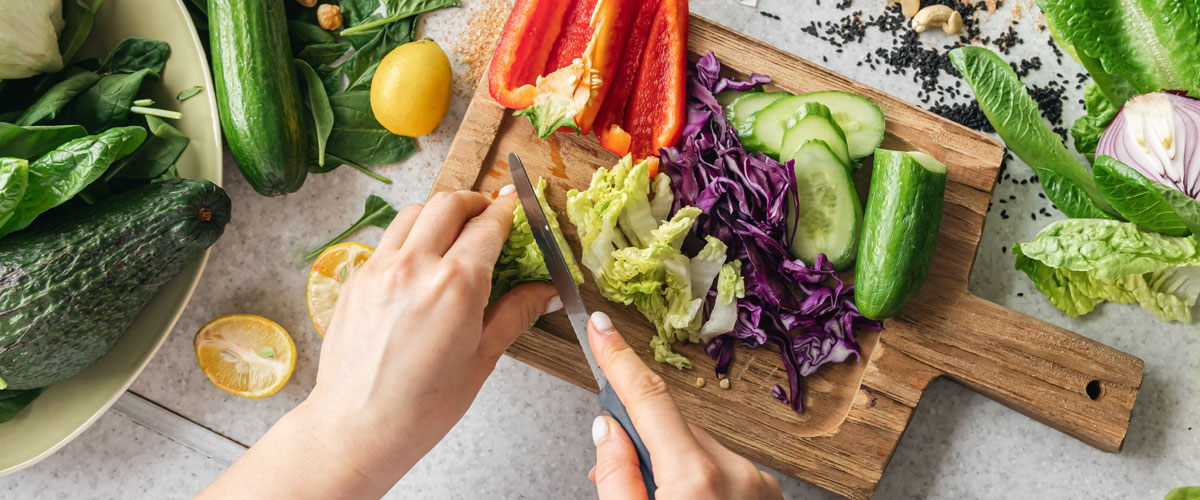
In the vibrant food scene of 2026 Canada, where Toronto’s bustling markets like St. Lawrence are brimming with fresh produce and innovative eateries, plant-based diets are more than a trend—they’re a lifestyle choice for over half the population. Recent surveys reveal that 54% of Canadians are actively increasing or interested in boosting their intake of plant-based foods, driven by concerns over health, sustainability, and animal welfare. Amid rising inflation and a push for balanced nutrition, this shift aligns perfectly with the growing interest in CBD, or cannabidiol, a non-intoxicating hemp-derived compound that’s legal under the Cannabis Act. As Health Canada continues to refine regulations, with consultations wrapping up in 2025 but no immediate changes to classify CBD as a natural health product (NHP) in sight, Canadians are exploring how CBD can enhance the nutritional benefits of vegan and vegetarian lifestyles. This article delves into the synergies between CBD and plant-based diets, highlighting how this natural pairing can optimize nutrition for better wellness. From anti-inflammatory boosts to improved nutrient absorption, discover why integrating CBD could elevate your plant-powered routine, whether you’re grabbing a smoothie in Vancouver or meal-prepping in Montreal.
Understanding CBD in the Canadian Context
Cannabidiol, extracted from hemp, has been federally legal in Canada since the 2018 Cannabis Act, as long as it contains less than 0.3% THC—the psychoactive element in cannabis. Unlike THC, CBD doesn’t cause a high, making it a safe, everyday supplement for many. Health Canada oversees CBD under cannabis regulations, requiring products to come from licensed producers and be sold through authorized retailers. In 2026, while proposals for a non-prescription pathway were explored in 2025 consultations, the Forward Regulatory Plan for 2025-2027 no longer includes this, signaling that significant policy work is still needed. This means CBD remains classified similarly to other cannabis products, emphasizing safety and quality controls.
CBD works by interacting with the body’s endocannabinoid system (ECS), a network that regulates functions like inflammation, stress, and digestion. For Canadians embracing plant-based living, CBD’s role in supporting these processes is particularly appealing. Research shows CBD has anti-inflammatory, antioxidant, and anxiolytic properties, which can complement the nutrient-dense nature of plant foods. In a country where harsh winters in places like Toronto can challenge immune health, this natural compound offers a way to fortify daily nutrition without synthetic additives.
The Rise of Plant-Based Diets in Canada
Plant-based eating is surging across Canada, with the market projected to reach $1.37 billion by 2025 and continuing strong growth into 2026. From coast to coast, consumers are ditching meat and dairy for alternatives, with 24% actively trying to eat more plant-based foods and another 30% expressing interest. This trend is fueled by economic pressures—inflation makes affordable beans and lentils attractive—along with environmental and health motivations. In 2026, fiber-forward foods like pulses (kidney beans, chickpeas, lentils) are reigning supreme, as experts predict a boom in their popularity for gut health and protein balance.
Vegetable proteins are expected to grow at a compound annual growth rate (CAGR) of 12.7% through 2028, with pea protein leading the charge. In urban hubs like Toronto, where diverse communities blend global flavors, plant-based options are everywhere—from high-protein lentil bolognese to bean chilis. This shift isn’t just about avoidance; it’s a return to “real” food, with consumers viewing overly processed alternatives skeptically and favoring minimally processed, nutrient-rich choices. Government support, like Protein Industries Canada’s $260 million investment in plant proteins by 2028, underscores Canada’s leadership in this space. As Veganuary inspires millions, including Canadians, to try plant-forward habits, the stage is set for synergies with wellness boosters like CBD.
How CBD Complements Plant-Based Nutrition
Plant-based diets are powerhouse for health, rich in fiber, antioxidants, and essential fatty acids, but they can sometimes fall short in areas like omega-3 balance or inflammation management if not varied. That’s where CBD steps in, creating an “entourage effect” similar to how multiple plant compounds work together for enhanced benefits. Hemp-derived CBD, with its own array of cannabinoids, mirrors the holistic approach of herbal medicine, amplifying the body’s response to plant nutrients.
For instance, CBD’s anti-inflammatory properties can enhance the effects of omega-3s from flaxseeds or chia, common in Canadian diets. Studies on hemp protein suggest cardiovascular benefits, and when combined with CBD, this synergy could reduce inflammation more effectively. CBD also influences gut motility, potentially improving nutrient absorption from fiber-rich foods like beans and greens. In a high-fat meal context, CBD’s bioavailability increases, but for plant-based eaters, pairing it with healthy fats like avocados or nuts optimizes uptake. This partnership isn’t just additive; it’s synergistic, as seen in blends with botanicals like hops or valerian for stress relief. For Canadians facing seasonal stressors, this combo supports overall homeostasis, making plant-based living even more sustainable.
Key Benefits of CBD with Plant-Based Diets
Combining CBD with plant-based diets offers science-backed advantages that elevate nutritional outcomes for Canadians. Here are the primary benefits:
Enhanced Anti-Inflammatory Effects: Plant-based diets lower inflammation through antioxidants in fruits and veggies, but CBD amplifies this by modulating the ECS, potentially aiding conditions like arthritis. This duo is ideal for active Torontonians combating urban pollution.
Improved Nutrient Absorption and Gut Health: CBD supports digestive motility, helping absorb vitamins from greens and legumes, while plant fibers promote a healthy microbiome. For fiber-focused 2026 trends, this means better utilization of plant proteins.
Better Stress and Anxiety Management: Vegan diets can boost mood via serotonin precursors, and CBD’s anxiolytic properties enhance this, reducing cortisol for balanced energy. Perfect for busy Canadians navigating economic uncertainties.
Antioxidant Boost for Overall Wellness: CBD’s neuroprotective effects pair with plant polyphenols, protecting against oxidative stress and supporting heart health. Hemp’s omega balance adds to this synergy.
Support for Weight Management and Appetite Balance: Both promote satiety—plants through fiber, CBD via ECS regulation—helping maintain healthy habits without cravings.
Holistic Pain Relief and Recovery: For plant-based athletes, CBD’s analgesic properties complement anti-inflammatory foods like turmeric, aiding muscle recovery.
These benefits make CBD a natural enhancer for plant-based nutrition, fostering resilience in daily life.
Integrating CBD into a Plant-Based Lifestyle
For Canadians, adding CBD to a plant-based routine is straightforward. Start with tinctures in smoothies packed with berries and spinach, or gummies alongside bean salads. Edibles infused with CBD can top vegan bowls, leveraging fats from nuts for better absorption. In Toronto’s wellness scene, cafes are blending CBD with plant milks for lattes. Consistency is key, as cumulative effects build over time, aligning with the balanced, functional nutrition trends of 2026. Pair it with fiber-rich meals to support gut health, and always check for interactions with supplements.
Selecting Quality CBD Products in Canada
Under the Cannabis Act, choose third-party tested CBD from licensed sources. CBD2HEAL offers high-quality, hemp-derived options like oils and vegan-friendly capsules, compliant with Health Canada standards, ensuring purity for your plant-based journey.
Safety Considerations and Best Practices
CBD is generally safe, with mild side effects like dry mouth. Consult a healthcare provider, especially if on medications, as it can affect absorption. For pregnant or nursing individuals, avoidance is recommended due to limited data. Stick to low-THC products to comply with regulations.
Final Thoughts: A Synergistic Path to Wellness
In 2026 Canada, where plant-based diets are booming and CBD remains a trusted natural aid, their combination unlocks optimal nutrition. From inflammation reduction to enhanced absorption, this synergy supports vibrant health. Explore CBD2HEAL options to elevate your routine—your body will thank you.