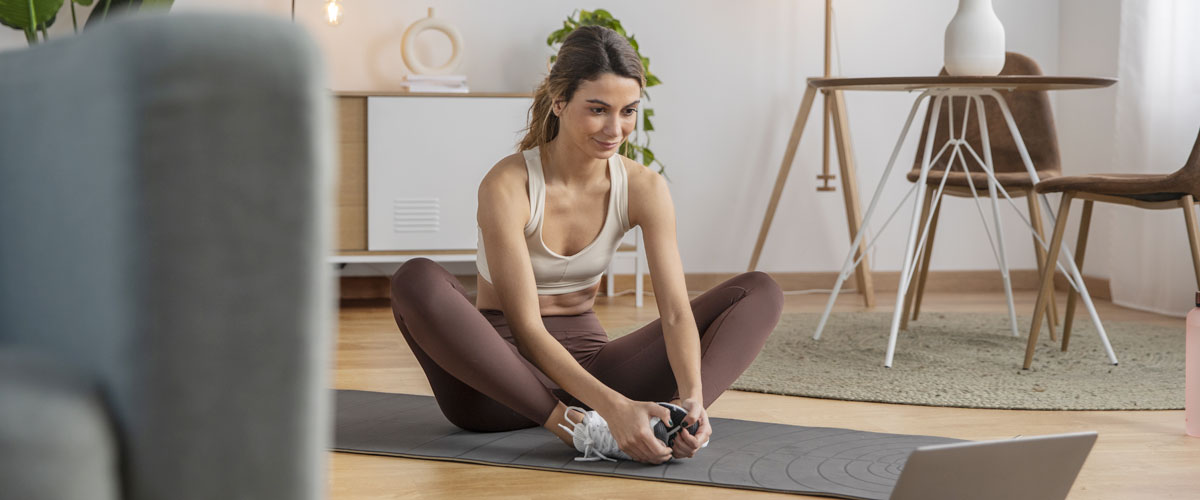
As the grip of Canadian winter tightens in 2026, with blizzards sweeping across the Prairies and icy winds howling through Toronto’s streets, staying active becomes a test of resilience. Outdoor activities like jogging in Vancouver’s Stanley Park or skiing in the Rockies often give way to indoor routines, where Canadians turn to home workouts, yoga sessions, or gym classes to maintain fitness. Yet, the cold weather outside can still impact motivation, recovery, and overall performance, leading to increased muscle soreness from confined spaces and repetitive movements. According to health statistics, nearly 40% of Canadians report reduced physical activity during winter, contributing to issues like weight gain, mood dips, and weakened immunity. In this indoor fitness landscape, cannabidiol (CBD) is gaining recognition as a natural supplement to enhance exercise experiences, supporting recovery and endurance without the psychoactive effects of THC.
Legalized under the 2018 Cannabis Act, CBD derived from hemp with THC levels below 0.3% is accessible nationwide, regulated by Health Canada to ensure safety. For those hunkering down indoors, CBD’s interaction with the body’s endocannabinoid system (ECS) offers a way to optimize workouts, from reducing inflammation post-yoga to aiding muscle repair after strength training. This article explores how CBD can help Canadians stay active indoors during cold weather, highlights its key benefits for exercise, and provides insights into incorporating it into your routine. Whether you’re a remote worker in Montreal squeezing in HIIT sessions or a senior in Calgary focusing on low-impact exercises, CBD might just be the boost needed to keep moving through the season.
Understanding CBD: A Canadian Wellness Tool for Winter Fitness
Cannabidiol, or CBD, is a non-intoxicating compound extracted from hemp plants, distinct from THC which causes a “high.” In Canada, where ongoing consultations aim to classify more CBD products as natural health products (NHPs), it’s available in forms like oils, capsules, gummies, and topicals, making it easy to integrate into daily life. The ECS, a network of receptors throughout the body, regulates functions like pain, inflammation, mood, and stress—all crucial for exercise performance and recovery. CBD doesn’t directly bind to these receptors but enhances the body’s natural endocannabinoids, promoting balance or homeostasis.
During winter, when indoor heating dries the air and limited sunlight saps energy, the ECS can become imbalanced, leading to heightened soreness or fatigue after workouts. CBD helps restore this equilibrium by modulating inflammatory responses and supporting neurotransmitter activity, such as serotonin for mood and motivation. For Canadians, this means better tolerance for indoor activities like stationary cycling or bodyweight exercises, where repetitive strain is common. Unlike caffeine-laden pre-workouts that can cause jitters, CBD provides a calm focus, ideal for mindful practices like Pilates or stretching. Learn more about the endocannabinoid system from this NIH overview.
Research increasingly backs CBD’s role in fitness, showing it can influence anandamide levels—a natural “bliss” molecule—during exercise, potentially enhancing pleasure and endurance. In a country where winter isolation can deter activity, this subtle support encourages consistency, helping maintain cardiovascular health and muscle tone indoors.
The Synergy of CBD and Indoor Exercise in Winter
Indoor exercise during Canadian winters presents unique challenges: limited space restricts variety, leading to overuse injuries, while the psychological toll of confinement can reduce workout intensity. CBD addresses these by aiding physical recovery and mental resilience. For instance, its anti-inflammatory properties target cytokines, proteins that exacerbate soreness after repetitive motions like burpees or lunges. This is vital in dry, heated environments where dehydration amplifies muscle tension.
CBD also promotes better oxygen consumption and pleasure during endurance activities, making treadmill runs or stationary bike sessions more enjoyable. Studies suggest it protects against myocardial injury from intense efforts, with antioxidative and anti-apoptotic effects. For winter-bound Canadians, this means sustaining cardio without the burnout often felt in confined spaces. Moreover, CBD’s anxiolytic effects reduce pre-workout nerves, common when motivation wanes amid gloomy weather, fostering a positive mindset for home-based routines.
On the recovery side, CBD accelerates satellite cell differentiation in muscles, improving repair after strength training. In one study, supplementation reduced creatine kinase and myoglobin levels post-exercise, indicating less muscle damage. This is especially useful for indoor weightlifting or resistance band work, where recovery time determines consistency. By easing delayed onset muscle soreness (DOMS), CBD allows for more frequent sessions, countering the sedentary pull of winter. For more on exercise recovery, see this review on CBD and exercise performance.
Key Benefits of CBD for Exercise
CBD offers numerous advantages for enhancing indoor exercise during winter, from pain management to improved recovery. Here are the primary benefits:
Reduces Inflammation: Winter dryness and repetitive indoor movements inflame muscles; CBD inhibits pro-inflammatory cytokines, easing swelling and stiffness for quicker post-workout relief.
Alleviates Pain and Soreness: DOMS from bodyweight exercises hinders motivation; CBD’s analgesic properties reduce pain, allowing consistent training without over-the-counter meds.
Enhances Muscle Recovery: Indoor sessions cause micro-tears; CBD promotes satellite cell differentiation and lowers damage markers like creatine kinase, speeding healing.
Boosts Endurance: Cold weather saps energy; CBD increases oxygen consumption and pleasure ratings during cardio, helping sustain longer treadmill or cycling workouts.
Improves Sleep Quality: Rest is key for recovery; CBD enhances sleep latency and continuity, ensuring better rest after evening sessions amid winter darkness.
Reduces Anxiety and Stress: Indoor isolation breeds workout dread; CBD’s anxiolytic effects foster calm focus, making exercise more enjoyable and sustainable.
These benefits position CBD as an essential aid for winter fitness, supporting both body and mind in confined settings.
CBD for Specific Indoor Exercises in Winter
Tailoring CBD to common indoor activities amplifies its impact. For yoga or Pilates, prevalent in Canadian homes during blizzards, CBD’s anti-inflammatory action eases joint strain from poses, enhancing flexibility without discomfort. In strength training with dumbbells or resistance bands, it mitigates soreness, allowing progressive overload despite limited space.
HIIT sessions, popular for quick calorie burns, often lead to oxidative stress; CBD’s antioxidants protect against this, preserving performance. For cardio on ellipticals or jump ropes, it boosts endurance by modulating anandamide, reducing perceived effort. Seniors or those with mobility issues benefit from CBD’s pain relief in gentle exercises like chair aerobics, promoting adherence.
In group virtual classes, common in winter, CBD curbs anxiety, improving participation. Overall, it adapts to diverse routines, helping Canadians combat cabin fever through movement. For Canadian-specific winter fitness tips, check ParticipACTION’s resources.
Incorporating CBD into Your Indoor Exercise Routine
To maximize benefits, take CBD pre- or post-workout via sublingual oils for fast absorption or gummies for convenience. During winter, when hydration is key, pair with water to counter dry air. Consistency builds effects, with many noticing reduced soreness within weeks.
For motivation, use CBD topicals on sore spots before stretching, or ingestibles for overall support. In Canada’s varied climates, from humid Atlantic provinces to arid interiors, CBD’s versatility shines.
Selecting Quality CBD Products in Canada
Quality is paramount; opt for third-party tested items compliant with Health Canada. CBD2HEAL provides premium hemp-derived products like tinctures and topicals, ideal for exercise recovery, ensuring purity and potency.
Safety Considerations for CBD and Exercise
CBD is generally safe, with mild side effects like fatigue. Consult doctors for interactions, especially with heart meds. Start low, and avoid if pregnant. Health Canada guidelines promote informed use. For more safety details, see Health Canada’s cannabis information page.
Embracing Active Winters with CBD
In conclusion, CBD empowers Canadians to stay active indoors during cold weather, enhancing recovery, endurance, and enjoyment. From inflammation reduction to better sleep, its benefits transform winter fitness. Explore CBD2HEAL to elevate your routine—here’s to vibrant, resilient seasons.