By late October 2026, Canadian cold season has begun. Classrooms and offices are full again. Indoor air is drier. And the ordinary cold that moves through a household often leaves more than a cough. For many adults, the lingering part is the body aches: the heavy legs, the tight shoulders, the sense that even a light day costs more than it should. The fever may have passed. The congestion may be easing. The aches can stay.
Cannabidiol (CBD), a non-intoxicating compound derived from hemp and legalized under the 2018 Cannabis Act with THC below 0.3%, is regulated by Health Canada as a natural health product. Emerging 2026 research and growing interest among Canadian adults suggest CBD may support comfort around residual body aches indirectly by helping moderate inflammation, ease muscle tension, and promote better overnight recovery during the days after an ordinary seasonal cold. It is not a treatment for colds, flu, or infection, and it does not replace rest, hydration, or medical care. Used by adults, it can be one practical support when the worst of a cold has passed but the aches have not. This article explores why body aches linger after seasonal colds, how CBD may assist, the latest research, and the key benefits for Canadians looking for more comfortable recovery days. For more on seasonal respiratory health, see Health Canada’s flu resources.
CBD is intended for adult use. It is not appropriate for children, and pregnant or breastfeeding individuals should avoid it.
Why Body Aches Linger After Seasonal Colds
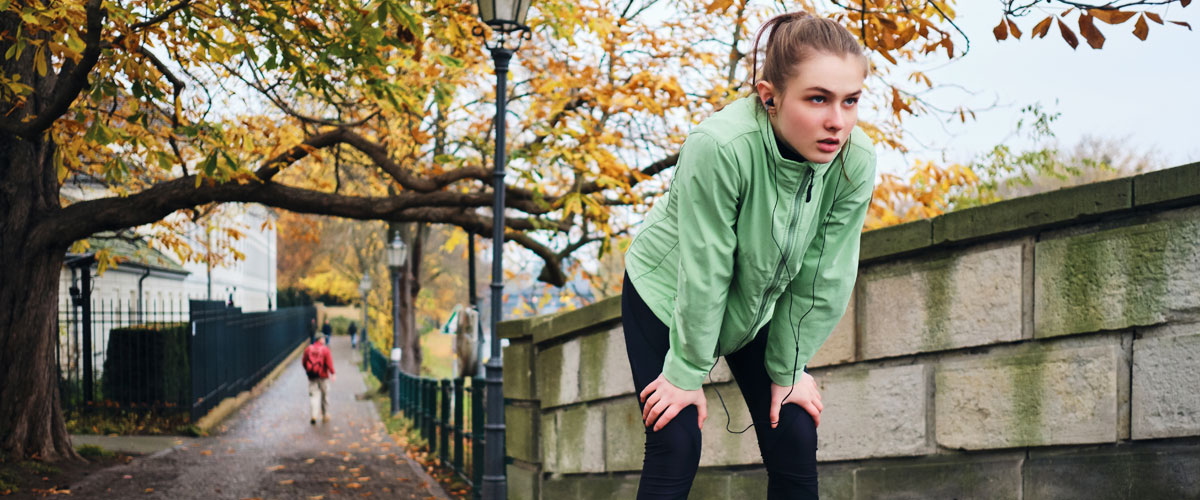
Canadian cold season arrives with the shorter days. More time is spent indoors. Viruses move more easily through households and workplaces. An ordinary cold can bring fever, congestion, and fatigue, but the part many adults notice most once the acute phase eases is the body aches. Muscles feel heavier. Joints feel stiffer. Ordinary movement that was fine a week earlier now feels more costly. The aches are not always severe. They are the low-grade heaviness that makes a workday or a school run feel longer than it should.
Several things contribute. The immune response that helps clear an ordinary cold also involves inflammatory signalling that can leave residual muscle and joint discomfort. Sleep is often lighter during the cold itself, so recovery is incomplete. Indoor heating dries the air, and less outdoor movement means less of the gentle activity that normally eases stiffness. Stress from being behind on work or caring for others in the household can keep residual tension higher. The result is a recovery window where the worst symptoms have eased but the body still feels heavier than usual. For more on staying active through recovery, see Health Canada’s activity resources.
Ordinary supports still matter. Rest, fluids, and a gradual return to light movement all help. Many Canadian adults also want a complementary option that may ease the residual inflammation and muscle tension that keep body aches noticeable, without impairing the clarity needed once they are back to ordinary responsibilities.
How CBD May Support Comfort During Cold Recovery
The endocannabinoid system helps regulate inflammation, stress responses, and the muscle tension that can amplify residual discomfort. CBD interacts with this system and related pathways in ways that may help moderate inflammatory signalling, quiet background tightness, and support more restorative overnight recovery. In the days after an ordinary cold, that can mean less of the heavy, achy feeling in the legs and back, easier movement through ordinary tasks, and a night that settles more than it interrupts. For more on CBD mechanisms, see this PubMed study.
CBD does not treat the cold or clear infection. Its possible role is in supporting the background conditions that influence how residual aches feel: less inflammation-related heaviness, lower muscle guarding, and better overnight recovery that makes the next day feel more usable. When those pieces improve, many adults find the same post-cold window feels less costly. The body is still recovering. The aches are less in the way.
Because CBD is non-intoxicating, it can remain part of a day that still involves work, driving, or family logistics once the acute phase has passed. That practicality matters in late October, when a cold can arrive while ordinary responsibilities continue.
Latest Research in 2026
Canadian research in 2026 has continued to examine CBD’s role in inflammation, physical comfort, and everyday recovery. A University of British Columbia study involving working adults with elevated residual tension and post-illness discomfort who used consistent moderate-dose CBD reported improvements in perceived physical ease, lower muscle tightness, and a greater sense of next-day readiness compared with baseline measures.
Another multi-site observational project across Ontario, Alberta, and British Columbia looked at adults recovering from ordinary seasonal illnesses during the fall. Participants incorporating CBD noted milder residual body aches during the recovery window, less secondary tension around the neck and back, and easier return to ordinary movement once the acute symptoms had eased. Researchers observed that improvements in inflammatory comfort and sleep quality appeared to support these outcomes. For additional background on related research, see this NIH review.
A 2026 review of available literature on cannabinoids and residual comfort concluded that CBD shows consistent promise as an adjunct for physical discomfort in adult recovery settings, without the impairment associated with intoxicating cannabis products. While larger clinical trials continue, and CBD should not be framed as a treatment for colds or flu, the emerging evidence is relevant for Canadians dealing with the body aches that can linger after an ordinary seasonal cold.
Key Benefits of CBD for Body Aches in Fall
CBD offers several potential advantages that address residual body aches after seasonal colds for Canadian adults:
Helps Moderate Inflammation That Leaves Residual Heaviness: A calmer inflammatory response may make post-cold muscle and joint aches feel less intense.
Eases Muscle Tension That Amplifies Discomfort: Mild relaxing effects can lower the neck, shoulder, and back guarding that often rides with residual aches.
Supports More Restorative Sleep During the Recovery Window: Better overnight rest can reduce the next-day heaviness that makes ordinary movement feel more costly.
Encourages Easier Return to Ordinary Movement: When residual tightness is lower, light activity and daily tasks often feel more possible.
Fits Clear-Headed Recovery Days: Because CBD is non-intoxicating, it can remain part of a day that still involves work, driving, or family logistics once the acute phase has passed.
Complements Rest, Fluids, and Gradual Movement: Used with ordinary recovery habits, CBD can be one more support for comfort rather than a replacement for them.
These benefits are most relevant for ordinary residual aches after a common cold. High fever, severe pain, shortness of breath, or symptoms that worsen need medical attention, not a wellness product.
Practical Context Across Canadian Homes
Late October recovery looks different across the country, but the residual aches are familiar. A Toronto adult back at a desk after a weekend cold, still feeling heavier than usual by mid-afternoon. A Calgary household where one person is through the worst of it but the body aches are still making ordinary chores feel longer. A Vancouver stretch of damp weather that keeps everyone inside while the recovery window continues. A suburban GTA parent managing school drop-off after a cold has eased, noticing that the shoulders and legs still feel tighter than they did a week earlier. In each case, the acute illness has mostly passed. The low-grade body aches have not fully left.
A CBD habit in this window is not a complicated protocol. It is one consistent adult product used as part of an existing daily rhythm, so residual inflammation and tension have a better chance of staying lower while ordinary life resumes. The aim is not to treat the cold. It is to make the recovery days feel less costly.
Selecting Quality CBD Products in Canada
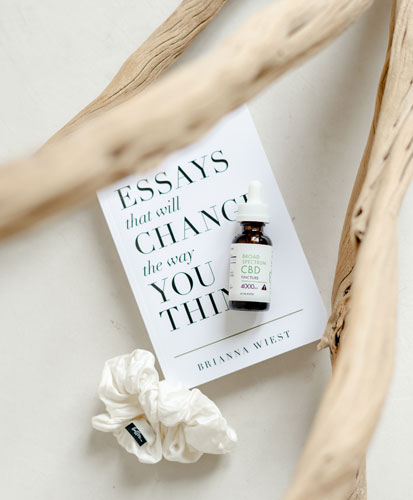
For use during recovery when clarity still matters, product quality and consistency matter. Choose third-party tested options that meet Health Canada’s standards for purity and potency. CBD2HEAL carries zero THC CBD oil products tailored for body aches & pain, with lab-verified results that provide confidence for adult use when body aches linger after an ordinary seasonal cold.
Safety Considerations for CBD Use
CBD is generally well-tolerated, with mild side effects such as dry mouth uncommon at moderate doses. Health Canada regulates CBD under the Cannabis Act. It is advisable to consult a healthcare provider before starting, especially if taking other medications or managing existing conditions. Pregnant or breastfeeding individuals should avoid CBD. CBD should not be given to children. Starting with a low amount and adjusting gradually allows adult users to observe individual response. CBD is not a treatment for colds, flu, or infection, and it is not a substitute for medical care. Seek medical attention for high fever, severe pain, shortness of breath, or symptoms that persist or worsen. For official guidance, refer to Health Canada’s cannabis safety page.
Conclusion: More Comfortable Days After the Cold Passes
Canadian cold season brings ordinary illnesses that usually pass. What often stays a little longer is the body aches: the heavy legs, the tight shoulders, the sense that a normal day still costs more than it should. Adults do not always need another remedy for the cold itself. They often need the conditions that make residual discomfort feel more manageable: less inflammation-related heaviness, lower muscle tension, and better overnight recovery. By supporting those conditions without intoxication, CBD offers a practical option for the recovery window after a seasonal cold.
The latest 2026 research continues to build the case for CBD’s relevance in everyday residual comfort. For those seeking high-quality CBD to support more comfortable days once the worst of a cold has passed, CBD2HEAL provides premium formulations backed by rigorous testing and Health Canada compliance. Here’s to recovery that feels a little lighter, and to a Canadian autumn that does not carry the aches longer than the cold itself.