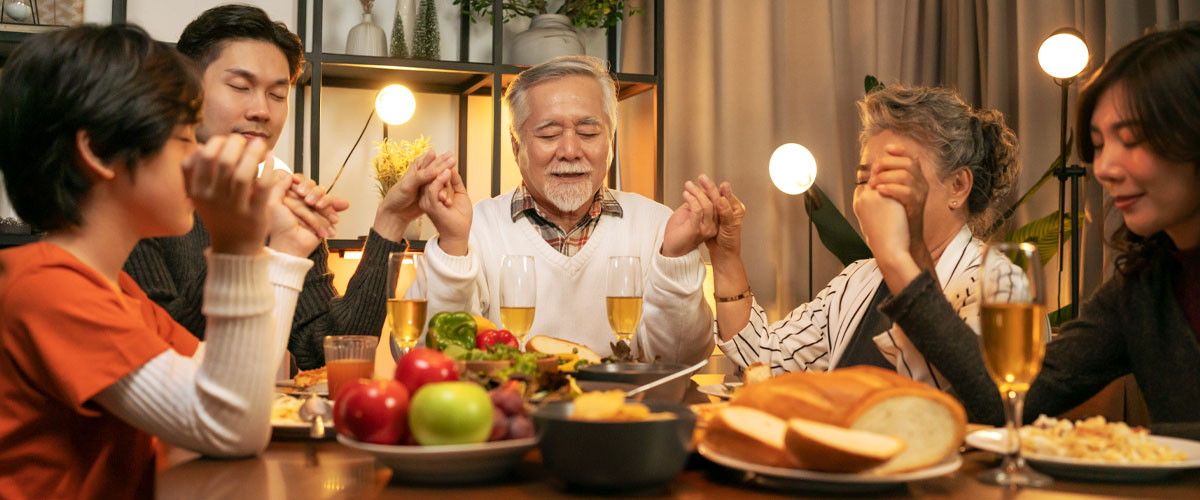
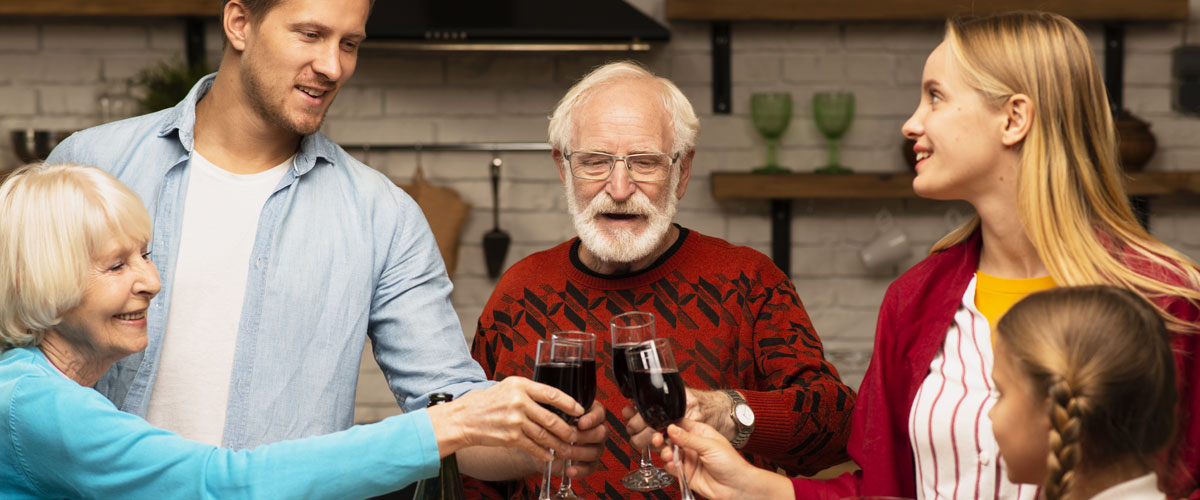
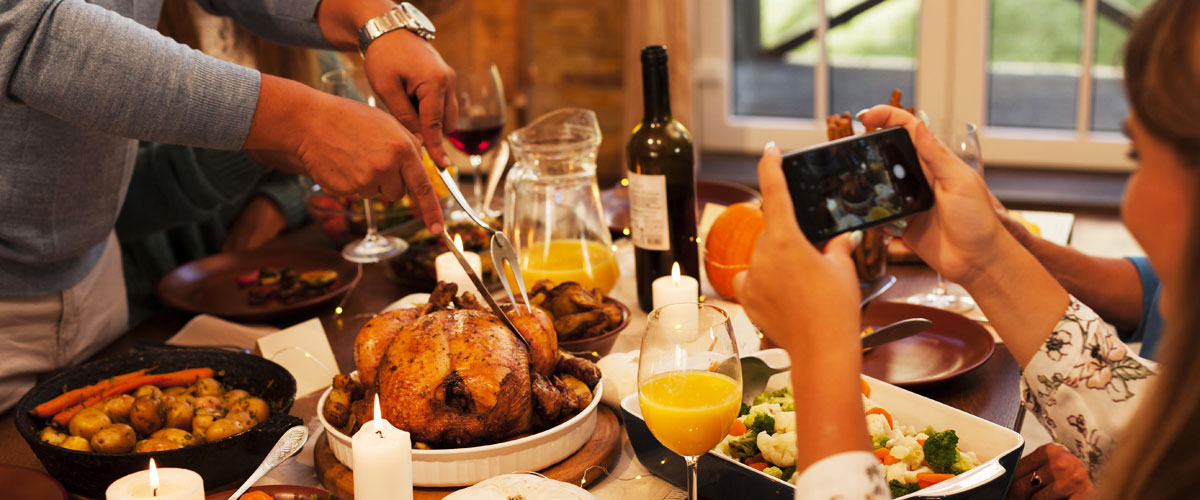
By mid-October 2026, Canadian family gatherings are in full swing. Thanksgiving tables are set. Long-weekend visits stretch into shared kitchens, spare rooms, and conversations that have not happened since the last holiday. For many adults, the gathering itself is welcome. The anxiety that arrives with it is more complicated. It can show up as a tight chest on the drive over, a shorter fuse once the house fills, or a quiet urge to step outside before dessert. The event is not the problem. The activation around it is.
Cannabidiol (CBD), a non-intoxicating compound derived from hemp and legalized under the 2018 Cannabis Act with THC below 0.3%, is regulated by Health Canada as a natural health product. Emerging 2026 research and growing interest among Canadian adults suggest CBD may support a calmer baseline during family gatherings by helping moderate situational stress, ease social tension, and promote steadier presence without intoxication. It is not a treatment for social anxiety disorder, and it does not replace therapy, boundaries, or professional care. Used by adults, it can be one quiet support for the person who wants to stay in the room instead of bracing against it. This article explores why family gatherings activate anxiety, how CBD may assist, the latest research, and the key benefits for Canadians navigating crowded tables this fall. For more on seasonal mental wellness, see Canadian Mental Health Association resources.
CBD is intended for adult use. It is not appropriate for children, and pregnant or breastfeeding individuals should avoid it.
Why Family Gatherings Activate Anxiety
Canadian family gatherings in October are rarely only about the meal. They compress travel, shared space, old roles, and unfinished conversations into a few hours or a long weekend. An adult who is calm at work can feel different in the house where they grew up. Questions about career, relationships, or parenting land differently when they come from family. Noise rises. Personal space shrinks. Even warm gatherings can leave someone monitoring their own reactions more than they enjoy the company.
The activation is often physical before it is verbal. Shoulders lift on the drive. The stomach tightens when the first relative arrives. Conversation feels harder to enter, or harder to leave. Some people over-explain. Others go quiet. Many do both in the same evening. The anxiety is not always dramatic. It is the low-grade alertness that makes an ordinary dinner feel like something to get through. For more on staying active through the season, see Health Canada’s activity resources.
Practical supports still matter. A shorter visit, a planned exit, a walk between courses, and clear limits on certain topics all reduce the load. Many Canadian adults also want a complementary option that may take the edge off the background activation without impairing conversation, driving, or the ability to stay present with kids and older relatives.
How CBD May Support Calm at Family Gatherings
The endocannabinoid system helps regulate stress responses, social ease, and the physical tension that often rides with anxiety. CBD interacts with this system and related pathways in ways that may help moderate excessive stress signalling and quiet residual tightness. At a family table, that can mean a less reactive response to a pointed question, a steadier voice in group conversation, and less shoulder tension carried from arrival through dessert. For more on CBD mechanisms, see this PubMed study.
CBD does not rewrite family dynamics. It does not make difficult relatives easier. Its possible role is in supporting the background state that influences how the gathering feels: less bracing, clearer transitions between conversations, and a lower chance that ordinary friction turns into a short fuse or a full withdrawal. When the baseline is calmer, people are often better able to choose how they participate instead of only reacting.
Because CBD is non-intoxicating, it can remain part of a day that still involves driving, childcare, and clear conversation. That practicality matters at gatherings where the adult is expected to stay functional and present, not altered.
Latest Research in 2026
Canadian research in 2026 has continued to examine CBD’s role in situational stress, social comfort, and everyday recovery. A University of British Columbia study involving working adults with elevated situational stress who used consistent moderate-dose CBD reported improvements in perceived calm, lower physical tension, and a greater sense of social ease compared with baseline measures.
Another multi-site observational project across Ontario, Alberta, and British Columbia looked at adults managing high-demand family and social days during the fall. Participants incorporating CBD noted a milder stress response during gatherings, easier re-entry into conversation after a tense moment, and less residual tension the following morning. Researchers observed that improvements in stress regulation appeared to support these outcomes. For additional background on related research, see this NIH review.
A 2026 review of available literature on cannabinoids and social stress concluded that CBD shows consistent promise as an adjunct for situational social comfort in adult settings, without the impairment associated with intoxicating cannabis products. While larger clinical trials continue, and CBD should not be framed as a treatment for social anxiety disorder, the emerging evidence is relevant for Canadians looking for a clearer head and a looser body at family tables.
Key Benefits of CBD for Social Anxiety
CBD offers several potential advantages that address family-gathering anxiety for Canadian adults:
Helps Moderate Situational Social Stress: CBD may support a calmer stress response when family questions, noise, and close quarters rise at once.
Eases Physical Tension That Feeds Anxiety: Mild relaxing effects can lower the shoulder, jaw, and chest tightness that often arrives before the gathering even starts.
Supports Steadier Presence in Conversation: A less braced baseline may make it easier to stay in a discussion without over-explaining or withdrawing.
Encourages Easier Recovery After the Event: Less residual activation can make the drive home and the next morning feel less costly.
Fits Clear-Headed Driving and Family Time: Because CBD is non-intoxicating, it can remain part of a day that still involves travel, kids, and older relatives.
Complements Boundaries Rather Than Replacing Them: Used with realistic visit length and topic limits, CBD can be one more support for the person navigating the room.
These benefits are most relevant for ordinary gathering stress, not for clinical social anxiety. Persistent avoidance, panic, or distress that interferes with daily life belongs with a healthcare professional.
Practical Context Across Canadian Gatherings
October gatherings look different across the country, but the activation is familiar. A Toronto dining room where the table is full and the conversation moves fast. A Calgary house with out-of-town family staying overnight. A Vancouver evening where rain keeps everyone inside and the noise stays high. A suburban GTA living room that fills with relatives who have not shared a room since last year. In each case, the adult in the middle is often tracking both the logistics and their own nervous system.
A CBD habit on this kind of day is not a complicated protocol. It is one consistent adult product used as part of an existing morning or early-afternoon rhythm, so the effect is already in place before the first relative arrives. The aim is not to disappear from the gathering. It is to reduce the extra activation that makes ordinary family time feel heavier than it needs to.
Selecting Quality CBD Products in Canada
For a day when clarity still matters, product quality and consistency matter. Choose third-party tested options that meet Health Canada’s standards for purity and potency. CBD2HEAL provides THC-FREE CBD oil products made for daily wellness and calm, with lab-verified results that provide confidence for adult use around family gatherings.
Safety Considerations for CBD Use
CBD is generally well-tolerated, with mild side effects such as dry mouth uncommon at moderate doses. Health Canada regulates CBD under the Cannabis Act. It is advisable to consult a healthcare provider before starting, especially if taking other medications or managing existing conditions. Pregnant or breastfeeding individuals should avoid CBD. CBD should not be given to children. Starting with a low amount and adjusting gradually allows adult users to observe individual response. CBD is not a substitute for professional care for social anxiety disorder. For official guidance, refer to Health Canada’s cannabis safety page.
Conclusion: Staying in the Room Without Bracing Against It
Canadian family gatherings ask more of some adults than the invitation suggests. The food and the company are only part of it. The other part is the activation that can turn a warm table into something to manage. By helping moderate situational social stress, ease physical tension, support steadier presence, and promote a calmer baseline without intoxication, CBD offers a practical option for adults who want to stay available for the gathering instead of only enduring it.
The latest 2026 research continues to build the case for CBD’s relevance in everyday social comfort and recovery. For those seeking high-quality CBD to support a clearer gathering day, CBD2HEAL provides premium formulations backed by rigorous testing and Health Canada compliance. Here’s to a table that feels a little less loaded, a conversation that is easier to enter, and a Canadian family weekend that includes the person who showed up.