In September 2026, Canadian gardens are entering their closing chapter. Tomato vines still carry late fruit. Beds need clearing. Tools come in from the shed. Containers are emptied, perennials are cut back, and the last harvests of herbs, squash, and late greens demand bending, lifting, and time on the ground. For many gardeners, this stretch is as physically demanding as planting season, only now it arrives with cooler mornings, tighter schedules, and the leftover tightness of a full summer outdoors. Wrapping up the growing season is satisfying work. It is also repetitive, uneven, and easy to underestimate until the lower back, hips, knees, and shoulders announce themselves the next morning.
Cannabidiol (CBD), a non-intoxicating compound derived from hemp and legalized under the 2018 Cannabis Act with THC below 0.3%, is regulated by Health Canada as a natural health product. Emerging 2026 research and growing interest among Canadian gardeners suggest CBD can support this end-of-season window by helping moderate residual inflammation, ease muscle tightness, quiet the mental load of finishing tasks before frost, and improve overnight recovery. When used as part of a thoughtful routine, CBD offers a non-intoxicating option that may help gardeners complete the season with more comfort and less next-day heaviness. This article explores the physical and mental demands of wrapping up a Canadian garden, how CBD may assist, the latest research, and the key benefits for those finishing the growing year. For more on staying active outdoors, see Health Canada’s activity resources.
Why Season’s End Is Harder Than It Looks
Closing a garden is not light housekeeping. Harvesting requires repeated stooping and reaching. Pulling spent plants loads the shoulders and grip. Moving soil, compost, pots, and watering cans stresses the back and hips. Kneeling on cooling ground tightens the knees. Even smaller urban plots and balcony containers add up when every task is done after work or between school runs. In regions from southern Ontario to the Prairies and coastal British Columbia, the calendar is unforgiving: frost dates approach, daylight shortens, and unfinished beds do not wait.
The body also arrives at this work already carrying summer. Months of weeding, watering, and weekend projects leave residual tightness that end-of-season labour can aggravate. Sleep may already be shifting with earlier evenings and busier September routines. Mental pressure is real as well. Gardeners often feel they should finish everything while conditions still allow, which turns a restorative hobby into a race against the weather. That combination of physical repetition and time pressure is exactly when recovery support becomes useful. For more on stress and wellness, see Canadian Mental Health Association resources.
Traditional responses such as pushing through, extra coffee, or occasional anti-inflammatory medication can help in the short term. Many Canadian gardeners, however, want a gentler option that supports comfort without sedation or next-day grogginess, especially when they still need to drive, work, and care for family after a session in the yard.
How CBD May Support Gardeners at Season’s End
The endocannabinoid system (ECS) helps regulate inflammation, muscle tension, stress responses, and sleep quality. CBD interacts with the ECS and related pathways in ways that may help moderate excessive inflammatory signalling after bending, lifting, and kneeling, ease residual tightness, and promote a calmer physiological baseline. By lowering background physical guarding and evening mental load, CBD can make overnight recovery more complete after a day of harvest and cleanup. For more on CBD mechanisms, see this PubMed study.
Mild muscle-relaxing effects may reduce the tightness that settles into the lower back, hips, and shoulders after hours in the garden. Better sleep quality supports tissue repair so the next session starts from less depletion. Because CBD is non-intoxicating, it does not impair coordination, judgment, or the clear-headedness needed for tool use, ladders, or uneven ground. That matters at season’s end, when fatigue can make people less careful.
CBD does not replace good mechanics, pacing, or rest. Its potential value is in reducing the leftover strain that turns a satisfying close to the season into several days of stiffness.
Latest Research in 2026
Canadian research in 2026 has continued to examine CBD’s role in recovery from physical work and everyday stress. A University of British Columbia study involving adults engaged in regular outdoor physical tasks, including garden-style lifting and prolonged bending, who used consistent moderate-dose CBD reported reductions in residual muscle soreness, improved sleep quality, and lower next-day tightness compared with baseline measures.
Another multi-site observational project across Ontario, Alberta, and British Columbia looked at recreationally active adults during late-summer and early-fall outdoor work. Participants incorporating CBD noted greater ease after physically demanding sessions, less lingering back and hip discomfort, and a stronger sense of being recovered the following morning. Researchers observed that improvements in inflammation-related symptoms and sleep efficiency appeared to support these outcomes. For additional background on related research, see this NIH review.
A 2026 review of available literature on cannabinoids, inflammation, and movement-related comfort concluded that CBD shows consistent promise for supporting recovery after repetitive outdoor labour without negative effects on coordination or cognitive clarity. While larger clinical trials continue, the emerging evidence base is relevant for Canadian gardeners finishing the growing season.
Key Benefits of CBD for Gardeners
CBD offers several potential advantages that address the demands of wrapping up a Canadian garden:
Helps Moderate Post-Garden Inflammation: CBD may support a more balanced inflammatory response after harvest, pulling plants, and moving soil, reducing the intensity of next-day discomfort.
Eases Lower-Back, Hip, and Shoulder Tightness: Mild relaxing effects can lower the guarding that builds from repeated bending and lifting at season’s end.
Supports Better Overnight Recovery: Higher-quality rest gives tissues more opportunity to repair after long sessions in cooling weather.
Quiets End-of-Season Mental Load: A calmer baseline may make the pressure of finishing beds before frost feel less urgent and scattered.
Encourages Completing the Season Comfortably: With less lingering stiffness, gardeners are more likely to finish cleanup rather than abandon beds halfway.
Fits Clear-Headed Outdoor Work: Because CBD is non-intoxicating, it aligns with the need to stay alert around tools, steps, and uneven ground.
These benefits are most effective when CBD is used as part of a broader approach that includes pacing, sensible lifting, hydration, and enough rest between sessions.
Practical Applications Across Canadian Gardens
September garden culture across Canada creates many natural openings for recovery support. Vegetable growers racing late tomatoes, beans, and squash often spend long blocks stooped over beds. Flower gardeners cutting back perennials and lifting pots face repetitive shoulder and grip work. Community gardeners sharing plots still carry tools, water, and harvests across uneven paths. Balcony and container gardeners underestimate how much lifting empty soil and moving planters can strain the back.
Because CBD is non-intoxicating, it can fit private evening routines after a session in the yard without affecting next-day work or family responsibilities. The goal is not to make gardeners ignore fatigue. It is to help the body absorb the real physical cost of closing the season.
Selecting Quality CBD Products in Canada
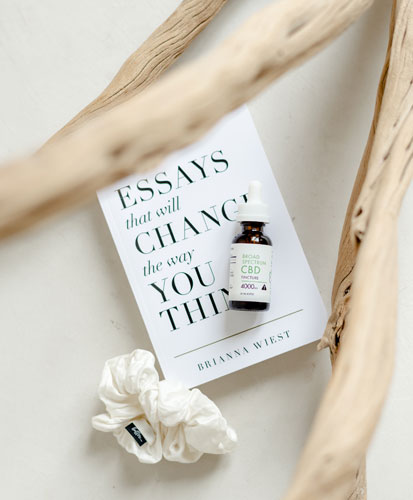
For reliable support with muscle comfort and everyday recovery, product quality and consistency matter. Choose third-party tested options that meet Health Canada’s standards for purity and potency. CBD2HEAL offers premium CBD oil products formulated for daily wellness and recovery, with lab-verified results that provide confidence for regular use by gardeners finishing the season.
Safety Considerations for CBD Use
CBD is generally well-tolerated, with mild side effects such as dry mouth uncommon at moderate doses. Health Canada regulates CBD under the Cannabis Act. It is advisable to consult a healthcare provider before starting, especially if taking other medications or managing existing conditions. Pregnant or breastfeeding individuals should avoid CBD. Starting with a low amount and adjusting gradually allows users to observe individual response. CBD is not a substitute for medical evaluation of significant pain or injury, nor for proper lifting mechanics and rest. For official guidance, refer to Health Canada’s cannabis safety page.
Conclusion: Finishing the Growing Year With More Ease
Wrapping up a Canadian garden is both an ending and a physical peak. Harvest, cleanup, and the race against cooler nights ask a lot of backs, hips, knees, and hands that have already worked all summer. By helping moderate inflammation, ease residual tightness, support better sleep, and quiet seasonal pressure without intoxication, CBD offers a practical companion for those last weeks in the soil.
The latest 2026 research continues to build the case for CBD’s relevance in recovery from outdoor physical work. For those seeking high-quality CBD to support a more comfortable close to the growing season, CBD2HEAL provides premium formulations backed by rigorous testing and Health Canada compliance. Here’s to last harvests that feel complete rather than punishing, and to gardens put to rest with less leftover strain.