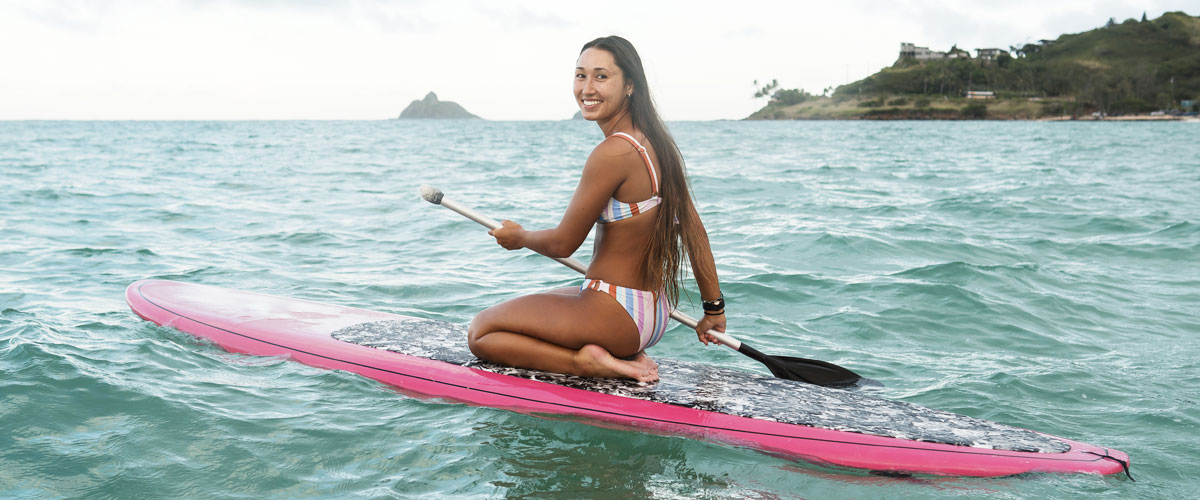
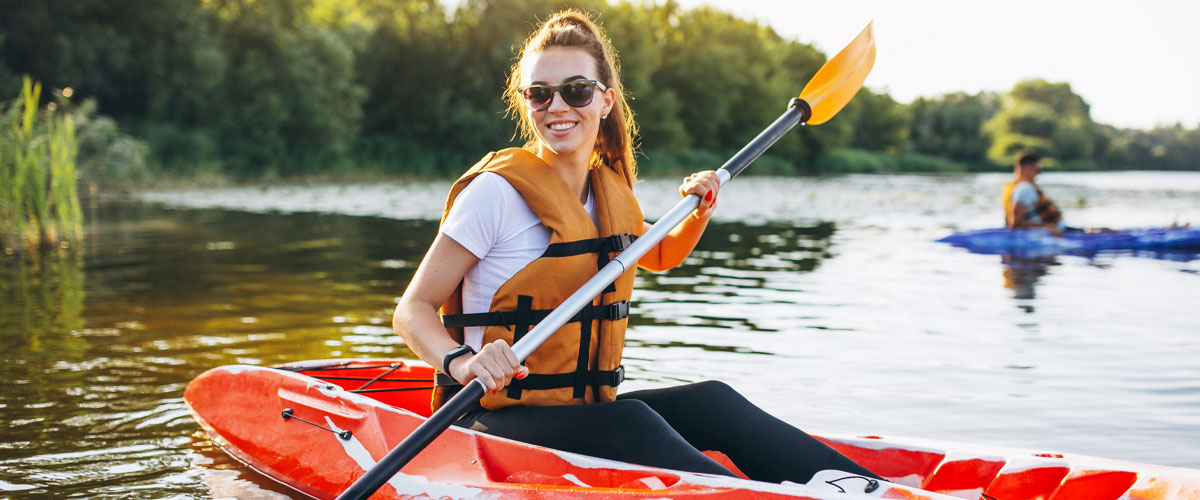
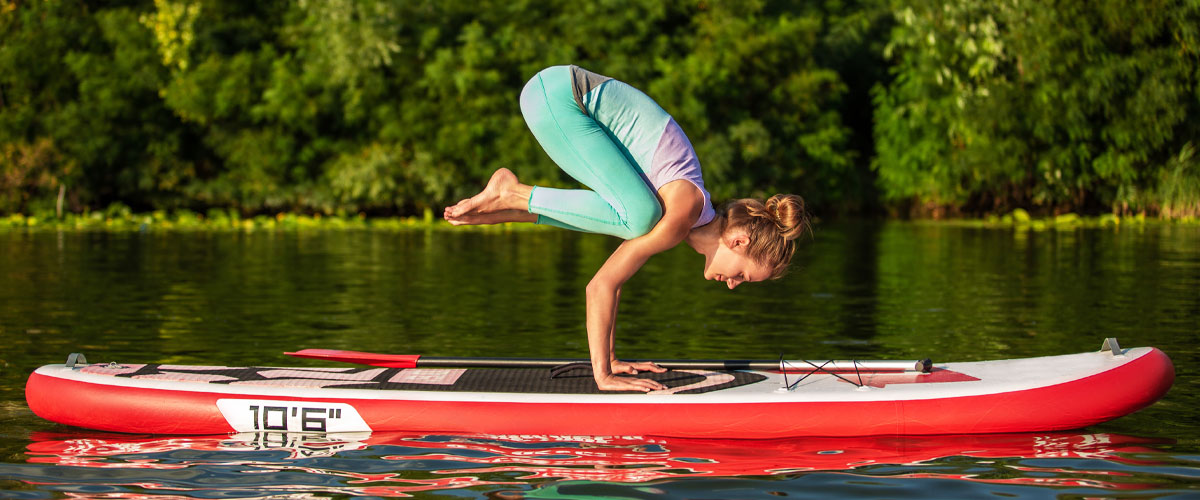
In the summer of 2026, Canadians are making the most of the country’s vast waterways. From kayaking and canoeing on Ontario’s lakes and rivers to paddleboarding along the coasts of British Columbia, sailing on the Great Lakes, and recreational boating across the Prairies and Maritimes, water sports have become a defining part of the Canadian summer experience. These activities deliver physical exercise, mental restoration, and a powerful connection to nature. Yet time on the water also brings unique challenges: performance anxiety for newer paddlers, residual stress carried from work and daily life, physical tension from repetitive movements, and the need for calm focus in variable conditions such as wind, waves, and changing weather.
Cannabidiol (CBD), a non-intoxicating compound derived from hemp and legalized under the 2018 Cannabis Act with THC below 0.3%, is regulated by Health Canada as a natural health product. Emerging 2026 research and growing interest among Canadian outdoor enthusiasts suggest CBD can support a calmer state of mind, reduce physical tension, improve recovery, and enhance overall enjoyment of water sports without causing intoxication or impairing coordination. When used thoughtfully, CBD may help paddlers, boarders, sailors, and boaters stay present, relaxed, and resilient on the water. This article explores the specific demands of Canadian water sports, how CBD may contribute to calm and recovery, the latest research, and the key benefits for those seeking a more balanced and enjoyable experience this summer. For more on outdoor activity benefits, see Health Canada’s activity resources.
Challenges of Water Sports in the Canadian Summer
Water sports demand a combination of physical endurance, technical skill, and mental composure. Kayaking and canoeing require sustained upper-body effort and core stability. Stand-up paddleboarding challenges balance and concentration, especially in choppy conditions. Sailing and recreational boating involve decision-making under changing environmental pressures. Many participants also carry the mental load of work stress, family responsibilities, or performance expectations into their time on the water, which can interfere with presence and enjoyment.
Physical demands compound these mental factors. Repetitive paddling motions can create shoulder, upper-back, and forearm tension. Maintaining balance on a board or in a kayak for extended periods stresses the lower back and hips. Exposure to sun, wind, and temperature changes adds to overall fatigue. Sleep disruption from longer summer days or residual physical discomfort can further reduce recovery capacity. Without effective strategies for managing stress and tension, the restorative benefits of time on the water can be diminished. Canadian participants are increasingly looking for natural, non-intoxicating options that support both mental calm and physical comfort. For more on stress and outdoor wellness, see Canadian Mental Health Association resources.
How CBD Supports Calm and Performance on the Water
The endocannabinoid system (ECS) helps regulate stress responses, anxiety, inflammation, muscle tension, and sleep quality — all relevant to water sports. CBD interacts with the ECS and related pathways in ways that may promote a calmer physiological state, reduce background mental chatter, and ease physical tightness. By supporting lower levels of perceived stress and anxiety, CBD can help individuals feel more present and less reactive to challenging conditions on the water. For more on CBD mechanisms, see this PubMed study.
CBD’s mild muscle-relaxing and anti-inflammatory properties may also contribute to greater comfort during and after paddling or boarding sessions. Improved sleep quality supports better recovery between outings, which is especially valuable during high-activity summer periods. Because CBD is non-intoxicating, it does not impair balance, coordination, or decision-making — critical qualities for safe participation in water sports. For Canadian enthusiasts who want to enhance their experience without compromising safety or clarity, CBD offers a practical and versatile option.
Latest Research in 2026
Canadian research in 2026 has continued to examine CBD’s role in stress management, physical recovery, and outdoor performance. A University of British Columbia study involving recreational paddlers and paddleboarders who used consistent moderate-dose CBD reported reductions in pre-activity anxiety, lower muscle tension scores after sessions, and higher overall enjoyment of time on the water compared with baseline measures.
Another multi-site observational project across Ontario lake communities and coastal British Columbia examined recovery and stress resilience among water sport participants. Those incorporating CBD noted improved sleep quality, faster resolution of post-activity soreness, and a greater sense of calm during variable conditions. Researchers observed that reductions in self-reported stress and physical discomfort appeared to support more consistent participation and higher satisfaction. For additional background on related research, see this NIH review.
Key Benefits of CBD for Water Sports
CBD offers several potential advantages that address the mental and physical demands of water sports for Canadian participants:
Promotes Mental Calm and Reduced Anxiety: CBD may help quiet background stress and performance-related worries, allowing greater presence and enjoyment on the water.
Eases Muscle Tension from Repetitive Movements: Mild relaxing effects can contribute to greater comfort in the shoulders, upper back, core, and forearms during and after paddling or boarding.
Supports Better Recovery Between Sessions: Improved comfort and sleep quality help the body adapt more efficiently to repeated physical demands of summer water activities.
Enhances Focus and Presence: By reducing mental clutter, CBD can support clearer attention to technique, conditions, and safety without causing drowsiness or impairment.
Assists with Stress Resilience in Variable Conditions: A calmer baseline state may make it easier to respond adaptively to wind, waves, or unexpected challenges.
Fits Non-Intoxicating, Safety-Conscious Use: Because CBD does not impair coordination or judgment, it aligns with the safety requirements of water sports.
These benefits are most effective when CBD is used as part of a broader approach that includes proper technique, hydration, sun protection, progressive skill development, and adequate rest.
Practical Applications for Canadian Water Sport Enthusiasts
Summer water sports culture in Canada ranges from early-morning lake paddles to multi-day coastal trips and social boarding sessions. Many participants incorporate CBD into their pre- or post-activity routines to support calm and recovery. Recreational paddlers may use it to ease residual tension after longer outings. Those new to the sport often appreciate the potential reduction in performance anxiety. Experienced enthusiasts find value in supporting consistency across frequent summer sessions.
Because CBD is non-intoxicating, it integrates easily into outdoor lifestyles without affecting safety awareness or decision-making on the water. As Canadians maximize the season’s access to lakes, rivers, and coastal waters, CBD can serve as a quiet but useful support for both mental ease and physical recovery.
Selecting Quality CBD Products in Canada
For reliable support with stress management and activity-related recovery, product quality and consistency are essential. Choose third-party tested options that meet Health Canada’s standards for purity and potency. CBD2HEAL offers a wide variety of high-quality CBD oil products specifically formulated for daily wellness and relaxation, with lab-verified results that provide confidence for regular use by active outdoor enthusiasts.
Safety Considerations for CBD Use
CBD is generally well-tolerated, with mild side effects such as dry mouth uncommon at moderate doses. Health Canada regulates CBD under the Cannabis Act. It is advisable to consult a healthcare provider before starting, especially if taking other medications or managing existing conditions. Pregnant or breastfeeding individuals should avoid CBD. Starting with a low dose and adjusting gradually allows users to observe individual response. CBD should never be used in a way that compromises water safety or judgment. For official guidance, refer to Health Canada’s cannabis safety page.
Conclusion: Enhancing Calm and Enjoyment on Canadian Waters
Water sports offer Canadians a powerful combination of physical activity, mental restoration, and connection to the country’s natural landscapes. Yet the mental and physical demands of paddling, boarding, sailing, and related activities can create stress and tension that limit full enjoyment. By helping promote calm, ease muscle tension, support recovery, and enhance presence without intoxication, CBD offers a natural tool aligned with the needs of water sport enthusiasts.
The latest 2026 research continues to build the case for CBD’s relevance in outdoor and recreational contexts. For those seeking high-quality CBD to support calm and recovery on the water, CBD2HEAL provides premium formulations backed by rigorous testing and Health Canada compliance. Here’s to more relaxed, present, and rewarding time on Canada’s lakes, rivers, and coasts this summer and beyond.